Best Thai-Inspired Vegan Potstickers with Peanut Sauce
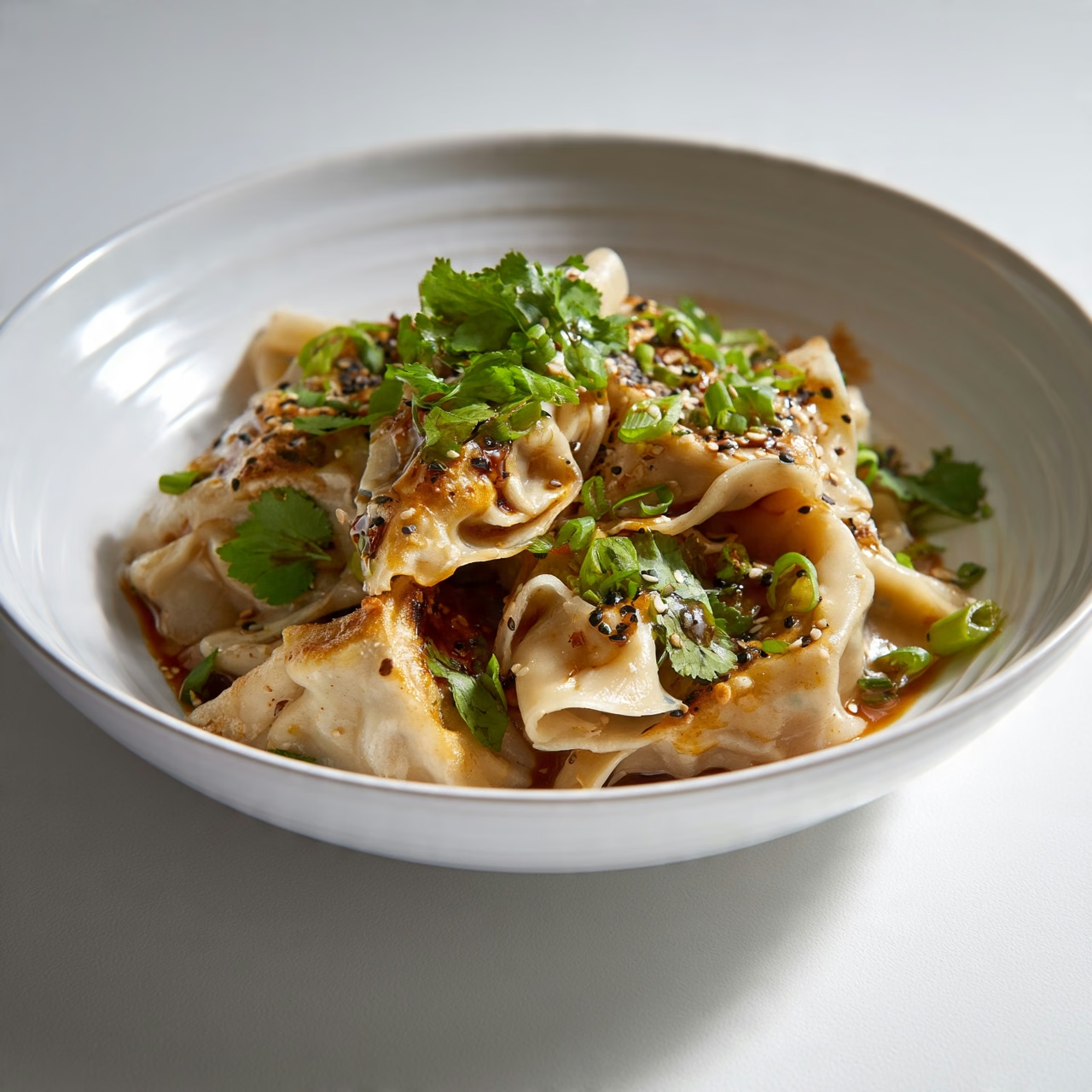
If you have ever craved the crispy, golden-bottomed magic of potstickers but wanted something plant-based and bursting with bold Southeast Asian flavor, this recipe is about to become your new obsession. These Thai-Inspired Vegan Potstickers are packed with a savory filling of seasoned Thai tofu, shredded cabbage, ginger, and lemongrass, then pan-fried and steamed to that perfect crisp-yet-tender texture. They are the kind of comfort food that disappears from the plate before you even sit down.
Think of these as a beautiful mashup between vegan Chinese dumplings and the aromatic, herbaceous flavors of Thai street food. Whether you are hosting a dinner party, meal prepping snacks for the week, or just craving something satisfying on a Tuesday night, these vegetarian potstickers deliver every single time. Pair them with a creamy homemade peanut sauce and you have a dish that feels both indulgent and nourishing.
What Makes This Recipe Special
- Bold Thai-Meets-Chinese Fusion: These are not your average vegan Chinese dumplings. Lemongrass, lime zest, and a touch of chili paste bring a distinctly Thai personality to a classic Chinese food format.
- Perfectly Crispy Bottoms: The pan-fry-then-steam method creates that iconic golden crust with a soft, pillowy top every time.
- 100% Plant-Based: Completely free of animal products, making them ideal for anyone following vegetarian recipes or a fully vegan lifestyle.
- Crowd-Pleasing Peanut Sauce: The dipping sauce alone is reason enough to make this recipe. Rich, tangy, and just a little spicy.
Essential Ingredients
- Extra-firm tofu: Press it well for a dense, meaty texture that holds up beautifully inside the dumpling wrapper. This is your Thai tofu base.
- Napa cabbage: Finely shredded and salted to remove excess moisture so your filling stays firm, not soggy.
- Fresh ginger and garlic: The aromatic backbone of the filling. Use freshly grated for the most vibrant flavor.
- Lemongrass paste: Adds a fragrant citrusy note that sets these apart from standard vegan Chinese dumplings.
- Soy sauce and sesame oil: Classic umami-building ingredients that tie the filling together.
- Round dumpling wrappers: Look for vegan-labeled wrappers at your local Asian grocery store.
- Natural peanut butter: The base of your dipping sauce. Creamy, unsweetened peanut butter works best.
- Rice vinegar, lime juice, and sriracha: These balance the peanut sauce with acidity and heat.
- Neutral oil: For pan-frying. Avocado or vegetable oil both work well.
Using the right tools and quality ingredients makes all the difference when you are folding and cooking dumplings at home.
Here is the complete recipe:

Thai-Inspired Vegan Potstickers
Equipment
- Large non-stick skillet with lid
- Large mixing bowl
- Clean kitchen towel or tofu press
- Small whisk
- Pastry brush or small bowl of water for sealing
Ingredients
Potsticker Filling
- 14 oz extra-firm tofu pressed and crumbled
- 1.5 cups napa cabbage finely shredded, salted and squeezed dry
- 3 cloves garlic freshly grated
- 1 tbsp fresh ginger freshly grated
- 1 tbsp lemongrass paste or 1 tsp lime zest as substitute
- 2 tbsp soy sauce or tamari for gluten-free
- 1 tsp sesame oil
- 1 tsp chili paste such as sambal oelek, adjust to taste
- 0.25 tsp white pepper
- 3 tbsp scallions thinly sliced
Wrappers and Cooking
- 30 round dumpling wrappers vegan-labeled, about 3.5 inches in diameter
- 2 tbsp neutral oil avocado or vegetable oil
- 0.25 cup water for steaming, per batch
Peanut Dipping Sauce
- 3 tbsp natural creamy peanut butter unsweetened
- 1 tbsp soy sauce
- 1 tbsp lime juice freshly squeezed
- 1 tsp rice vinegar
- 1 tsp sriracha adjust to taste
- 0.5 tsp sesame oil
- 2 tbsp warm water to thin the sauce, add more as needed
Instructions
- Press the tofu: Wrap the block of extra-firm tofu in a clean kitchen towel and place a heavy pan on top. Press for at least 20 minutes to remove excess moisture. The drier the tofu, the better the filling texture will be.
- Salt the cabbage: Toss the finely shredded napa cabbage with a pinch of salt in a bowl and let it sit for 10 minutes. Then squeeze out as much liquid as you can using your hands or a clean towel. This step is critical for preventing a watery filling.
- Make the filling: In a large mixing bowl, crumble the pressed tofu into small pieces. Add the squeezed cabbage, grated garlic, grated ginger, lemongrass paste, soy sauce, sesame oil, chili paste, white pepper, and scallions. Mix thoroughly until everything is evenly combined. Taste and adjust seasoning as needed.
- Fill and fold the wrappers: Place one dumpling wrapper on a clean surface. Add about 1 heaping teaspoon of filling to the center. Dip your finger in water and run it around the entire edge of the wrapper. Fold the wrapper in half over the filling and press the edges firmly to seal, pleating the top edge as you go. Make sure there are no air pockets. Repeat with all remaining wrappers and filling.
- Pan-fry the potstickers: Heat 1 tablespoon of neutral oil in a large non-stick skillet over medium-high heat. Arrange the potstickers flat-side down in a single layer without overcrowding. Cook undisturbed for 2 to 3 minutes until the bottoms are deep golden brown and crispy. Work in batches if needed.
- Steam to finish: Once the bottoms are golden, carefully pour about 1/4 cup of water into the skillet and immediately cover with a tight-fitting lid. Steam for 4 to 5 minutes until the wrappers are translucent and fully cooked through. Remove the lid and let any remaining water evaporate for 1 minute.
- Make the peanut sauce: While the potstickers cook, whisk together the peanut butter, soy sauce, lime juice, rice vinegar, sriracha, and sesame oil in a small bowl. Add warm water one tablespoon at a time until the sauce reaches a smooth, pourable consistency.
- Serve: Transfer the potstickers to a serving plate crispy-side up. Garnish with sliced scallions, toasted sesame seeds, and fresh cilantro. Serve immediately with the peanut dipping sauce alongside.
Notes
Ways to Customize
- Swap the protein: Not a tofu fan? Try finely chopped mushrooms, tempeh, or even canned lentils for a different texture in your vegetarian potstickers.
- Make them gluten-free: Use rice paper rounds or gluten-free dumpling wrappers and swap soy sauce for tamari.
- Adjust the heat: Add more chili paste to the filling or sriracha to the peanut sauce if you love spice, or leave it out entirely for a milder version.
- Try a different dipping sauce: A simple blend of soy sauce, rice vinegar, and scallions works beautifully if you want something lighter than peanut sauce.
How to Make Thai-Inspired Vegan Potstickers
- Press the tofu: Wrap your extra-firm tofu in a clean kitchen towel and press under a heavy pan for at least 20 minutes. The drier the tofu, the better the filling texture.
- Salt the cabbage: Toss the shredded napa cabbage with a pinch of salt and let it sit for 10 minutes. Squeeze out as much liquid as possible before adding it to the filling.
- Make the filling: In a large bowl, crumble the pressed tofu and combine it with the cabbage, ginger, garlic, lemongrass paste, soy sauce, sesame oil, and a pinch of white pepper. Mix until everything is evenly incorporated.
- Fill the wrappers: Place about one heaping teaspoon of filling in the center of each wrapper. Dip your finger in water and run it around the edge of the wrapper before folding and pleating to seal. Make sure there are no air pockets.
- Pan-fry the potstickers: Heat a thin layer of neutral oil in a wide non-stick skillet over medium-high heat. Arrange potstickers flat-side down and cook undisturbed for 2 to 3 minutes until the bottoms are deep golden brown.
- Steam to finish: Carefully pour about a quarter cup of water into the skillet and immediately cover with a lid. Steam for 4 to 5 minutes until the wrappers are translucent and cooked through.
- Make the peanut sauce: While the potstickers cook, whisk together peanut butter, soy sauce, lime juice, rice vinegar, sriracha, a drizzle of sesame oil, and a splash of warm water until smooth and pourable.
- Serve immediately: Transfer potstickers to a plate crispy-side up and serve with the peanut dipping sauce on the side.
Tips for Best Results
- Do not overcrowd the pan: Cook in batches if needed. Too many potstickers at once will cause them to steam instead of fry, and you will lose that coveted crispy bottom.
- Seal the edges tightly: A poorly sealed dumpling will burst open during cooking and lose all its filling. Press firmly after pleating.
- Let the crust form before adding water: A common mistake is adding water too soon. Wait until you see a deep golden color before steaming.
- Thin the peanut sauce to your liking: The sauce thickens as it sits, so whisk in warm water one tablespoon at a time until you reach your desired consistency.
Serving Suggestions
- Classic dipping setup: Serve on a wooden board with small bowls of peanut sauce, soy-ginger dip, and chili oil for a DIY sauce station.
- Over rice noodles: Lay cooked potstickers over a bed of rice vermicelli with sliced cucumbers, shredded carrots, and fresh herbs for a full meal.
- Garnish generously: Top with sliced scallions, toasted sesame seeds, fresh cilantro, and a squeeze of lime.
- Pair with soup: A light miso or lemongrass broth alongside these dumplings makes a deeply satisfying and complete dinner.
Make Ahead and Storage
- Refrigerating leftovers: Store cooked potstickers in an airtight container in the refrigerator for up to 3 days. Reheat in a dry non-stick pan over medium heat to revive the crispy bottoms.
- Freezing uncooked potstickers: Arrange assembled, uncooked dumplings on a parchment-lined baking sheet and freeze until solid, about 1 hour. Transfer to a freezer bag and store for up to 2 months. Cook directly from frozen, adding an extra 2 minutes to the steaming time.
- Freezing cooked potstickers: These can be frozen after cooking as well. Reheat in a covered skillet with a splash of water over medium heat until warmed through.
- Peanut sauce storage: Keep leftover sauce in a jar in the fridge for up to a week. Stir and thin with warm water before serving.
Frequently Asked Questions
Can I make these potstickers ahead of a party?
Absolutely. Assemble the dumplings up to 24 hours in advance, cover them loosely with a damp towel, and refrigerate. You can also freeze them in batches and cook straight from the freezer.
Are store-bought dumpling wrappers vegan?
Many are, but not all. Check the ingredient label and look for wrappers that list only flour, water, and salt with no egg listed. Asian grocery stores tend to have the widest selection.
What if I do not have lemongrass paste?
You can substitute with a teaspoon of lime zest and a small squeeze of fresh lime juice. It is not an exact swap, but it captures a similar bright, citrusy quality in the filling.
Can these be baked instead of pan-fried?
Yes. Brush them lightly with oil and bake at 400 degrees Fahrenheit for 18 to 20 minutes, flipping halfway through. They will be less crispy than the pan-fried version but still delicious.
Final Thoughts
These Thai-Inspired Vegan Potstickers prove that plant-based comfort food can be just as exciting, satisfying, and crave-worthy as anything else on the table. From the aromatic tofu filling to the glossy peanut sauce, every component is designed to deliver maximum flavor with simple, accessible ingredients. Whether you are new to making dumplings or a seasoned pro, this recipe is worth adding to your regular rotation. Give them a try, and do not be surprised when everyone asks for the recipe.