Best Lemon Meringue Cheesecake – Bright, Creamy & Elegant
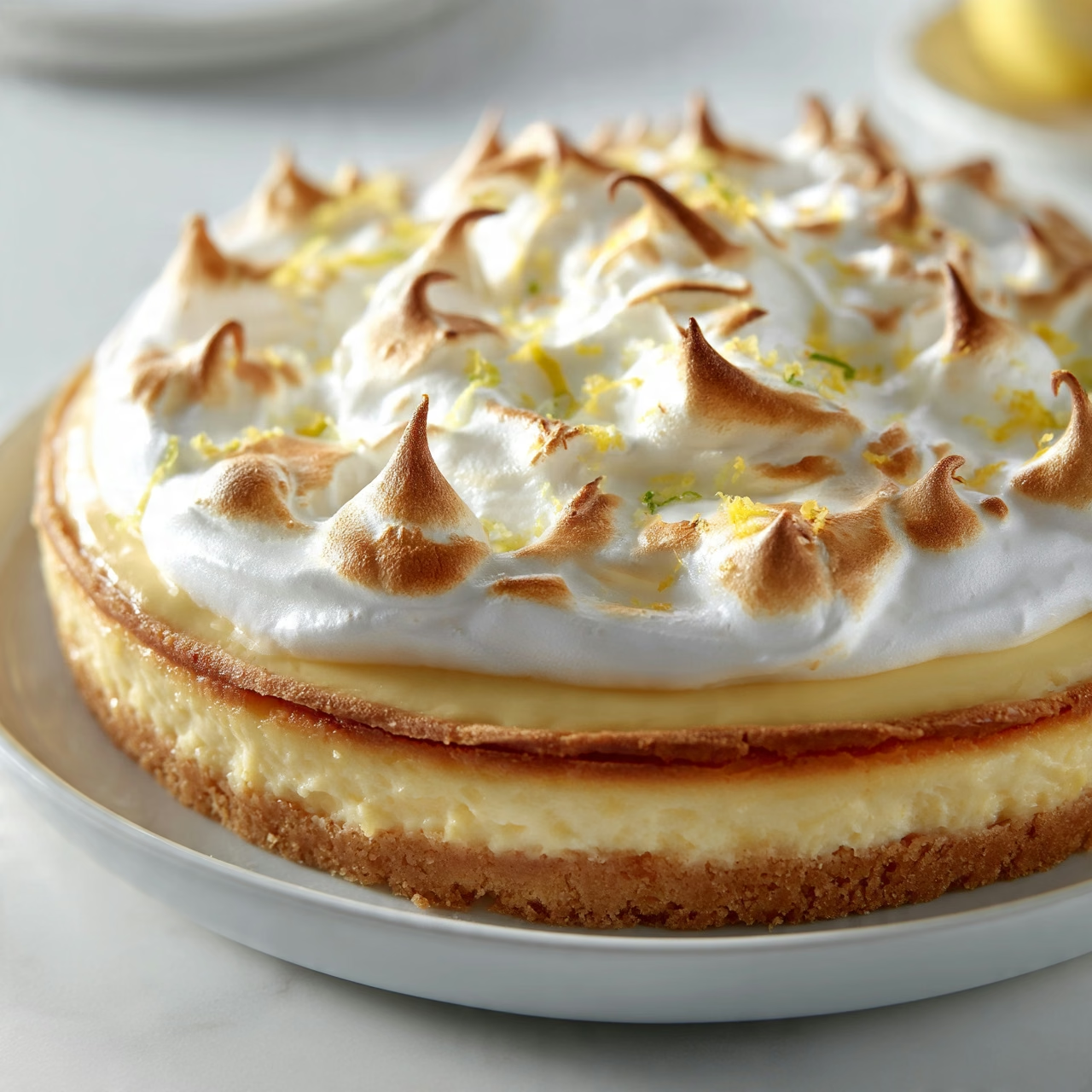
If you have ever stood at the crossroads of two beloved classic desserts and wished you could have both at once, this Lemon Meringue Cheesecake is your answer. It brings together the silky tang of a lemon cheesecake, the buttery crunch of a digestive biscuit crust, and the dramatic cloud of toasted meringue that makes lemon meringue pie so irresistible. The result is a showstopper dessert that looks like it came straight from a patisserie window.
Whether you are baking for a summer celebration, a holiday table, or simply because the craving for something bright and creamy hit you on a Tuesday afternoon, this recipe delivers every single time. The layers of flavor are balanced beautifully: tart lemon curd cuts through the richness of the creamy cheesecake filling, while the pillowy meringue on top adds sweetness and an almost ethereal lightness. Once you make this, it will earn a permanent spot in your dessert rotation.
What Makes This Recipe Special
- Stunning visual impact: The toasted meringue crown gives this dessert a dramatic, bakery-worthy look that impresses every guest before they even take a bite.
- Layered flavor complexity: Every forkful hits sweet, tart, rich, and light all at once, thanks to the combination of lemon curd, fluffy filling, and that gorgeous meringue.
- Foolproof crust: Using digestive biscuits creates a crust that is buttery, slightly crumbly, and far easier to achieve than pastry, with no rolling pin required.
- Make-ahead friendly: The cheesecake base sets overnight in the fridge, so you can prep it in stages without any last-minute stress.
Essential Ingredients
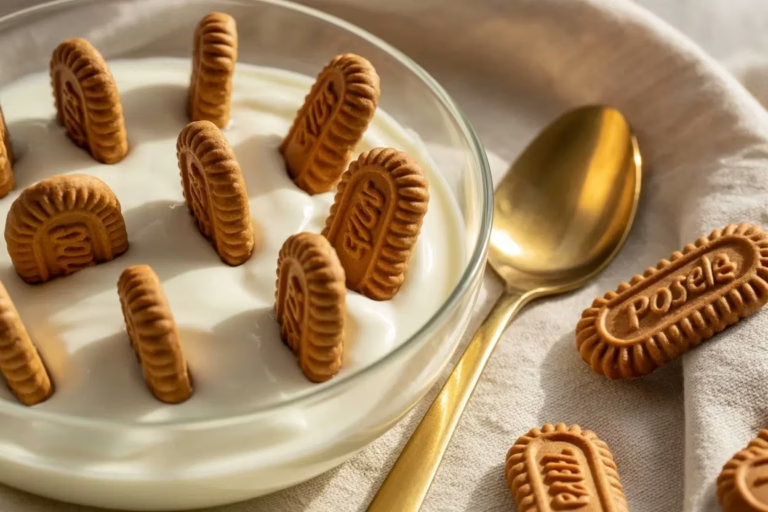
- Digestive biscuits: The classic base choice for good reason. Their slightly sweet, malty flavor pairs perfectly with the sharp lemon filling. If unavailable, graham crackers or vanilla wafers work as substitutes.
- Unsalted butter: Melted and mixed into the cookie crumbs to bind the crust. Unsalted gives you full control over the flavor.
- Full-fat cream cheese: The backbone of any creamy cheesecake. Make sure it is properly softened to room temperature for a lump-free filling.
- Caster sugar: Dissolves smoothly into both the filling and the meringue without grittiness.
- Sour cream: Adds a subtle tang and helps create that signature silky cheesecake texture.
- Fresh lemons: You will need both the zest and juice. Fresh is non-negotiable here; bottled juice lacks the brightness this dessert needs.
- Lemon curd: Swirled through the filling and layered on top before the meringue goes on. Store-bought works fine, but homemade is exceptional.
- Eggs: Used in both the cheesecake filling and the meringue. Separate them carefully to ensure the whites whip up properly.
- Cream of tartar: Just a pinch stabilizes the meringue and helps it hold its peaks.
- Vanilla extract: A small amount rounds out the flavors in the filling without competing with the lemon.
Using the right tools makes all the difference when you are working with delicate components like meringue and a water bath bake.
Here is the complete recipe:

Lemon Meringue Cheesecake
Equipment
- 9-inch springform pan
- Stand mixer or hand mixer
- Roasting tin (for water bath)
- Kitchen torch
- Food processor
- Large mixing bowl
Ingredients
For the Crust
- 250 g digestive biscuits crushed to fine cookie crumbs
- 100 g unsalted butter melted
For the Cheesecake Filling
- 900 g full-fat cream cheese softened to room temperature
- 200 g caster sugar
- 150 g sour cream room temperature
- 2 large lemons zested and juiced
- 1 tsp vanilla extract
- 3 large eggs room temperature
- 120 g lemon curd store-bought or homemade, for swirling
For the Meringue
- 4 large egg whites room temperature
- 200 g caster sugar
- 1/4 tsp cream of tartar
Instructions
- Preheat the oven to 325°F (160°C). Line the base of a 9-inch springform pan with parchment paper and lightly grease the sides.
- Crush the digestive biscuits into fine cookie crumbs using a food processor. Transfer to a bowl and stir in the melted butter until the mixture resembles wet sand. Press firmly and evenly into the base of the prepared pan. Refrigerate for 20 minutes.
- Beat the softened cream cheese and caster sugar together on medium speed for about 3 minutes until completely smooth and fluffy. Scrape down the sides of the bowl as needed.
- Add the sour cream, lemon zest, lemon juice, and vanilla extract to the cream cheese mixture and mix on low until fully combined. Add the eggs one at a time, beating gently after each addition. Do not over-mix once the eggs are incorporated.
- Pour the cheesecake filling over the chilled crust. Drop spoonfuls of lemon curd across the surface and use a toothpick to gently swirl it through the filling.
- Wrap the outside of the springform pan tightly in two layers of aluminum foil. Place it into a large roasting tin and fill the tin with about 1 inch of hot water to create a water bath. Bake for 55 to 65 minutes, until the edges are set and the center has a gentle wobble.
- Turn off the oven and crack the door open slightly. Allow the cheesecake to cool inside the oven for 1 hour. Then remove, let it come to room temperature, and refrigerate for at least 6 hours or overnight until fully set.
- When ready to serve, prepare the meringue. In a clean bowl, whisk the egg whites with the cream of tartar until soft peaks form. Gradually add the caster sugar one tablespoon at a time, whisking continuously until stiff, glossy peaks hold their shape.
- Spread or pipe the meringue generously over the surface of the chilled cheesecake, making sure to seal it to the edges. Use a kitchen torch to toast the meringue to a golden amber color. Alternatively, place under a broiler on high for 2 to 3 minutes, watching closely.
- Carefully remove the cheesecake from the springform pan, transfer to a serving plate, and slice with a sharp knife wiped clean between cuts. Serve immediately for the best texture and presentation.
Notes
Make It Your Own
- Lime twist: Swap the lemon for lime juice and zest for a slightly more tropical, sharper flavor profile that works beautifully in summer.
- Berry swirl base: Fold a spoonful of raspberry or blueberry compote into the cheesecake filling before baking for a fruity contrast to the lemon.
- Chocolate crust: Replace the digestive biscuits with chocolate cookie crumbs for a bittersweet base that turns this into a more indulgent dessert.
- No-bake version: Use a stabilized whipped cream filling with gelatin instead of a baked custard, and finish with a generous layer of lemon curd and meringue torched at the table.
How to Make Lemon Meringue Cheesecake
- Prepare the crust: Crush the digestive biscuits into fine cookie crumbs using a food processor or a zip-lock bag and rolling pin. Mix with melted butter until the texture resembles wet sand, then press firmly into the base of a lined 9-inch springform pan. Chill in the fridge for 20 minutes while you prepare the filling.
- Make the cheesecake filling: Beat the softened cream cheese and caster sugar together on medium speed until completely smooth, about 3 minutes. Add the sour cream, lemon zest, lemon juice, and vanilla extract, then mix again. Add the eggs one at a time, beating gently after each addition. Avoid over-mixing once the eggs go in.
- Assemble and bake: Pour the filling over the chilled crust. Drop spoonfuls of lemon curd across the surface and swirl lightly with a toothpick. Wrap the outside of the pan in foil and set it into a roasting tin filled with an inch of hot water. Bake at 325°F (160°C) for 55 to 65 minutes, until the edges are set and the center has a gentle wobble.
- Cool gradually: Turn off the oven, crack the door open, and let the cheesecake cool inside for one hour. This prevents cracking. Then transfer to the fridge and chill for at least 6 hours, ideally overnight.
- Prepare the meringue: Once the cheesecake is fully chilled, whisk the egg whites with a pinch of cream of tartar until soft peaks form. Gradually add the caster sugar, one tablespoon at a time, continuing to whisk until stiff, glossy peaks hold their shape.
- Top and toast: Spread or pipe the meringue over the surface of the cheesecake, making sure to seal it to the edges. Use a kitchen torch to toast the peaks to a golden amber color. Serve immediately or return to the fridge for up to 2 hours before serving.
Expert Tips
- Room temperature everything: Cold cream cheese causes lumps that never fully smooth out. Pull your dairy ingredients from the fridge at least an hour before you start.
- Do not skip the water bath: It sounds fussy, but it is the single best way to guarantee a crack-free, evenly set cheesecake. The steam keeps the oven humid and the edges from overbaking.
- Watch your meringue sugar addition: Adding the sugar too quickly can deflate the whites and result in a weeping meringue that pools liquid after a few hours. Slow and steady wins every time.
- Avoid a common mistake: Do not torch the meringue and then refrigerate for longer than 2 hours. Prolonged fridge time after torching can cause the meringue to weep. Torch close to serving for the best results.
Serving Suggestions
- Serve slices chilled, straight from the fridge, for the cleanest cuts and the best texture contrast between the firm filling and fluffy meringue.
- Garnish each plate with a thin slice of fresh lemon and a few small mint leaves for a pop of color.
- A small drizzle of extra lemon curd on the plate alongside each slice adds an extra hit of citrus for those who love a tart bite.
- Pair with a cup of Earl Grey tea or a sparkling elderflower drink to complement the citrus notes without overpowering them.
Make Ahead and Storage
- Refrigerating: The fully assembled cheesecake (without the meringue) keeps well in the fridge for up to 4 days, covered loosely with plastic wrap or stored in an airtight container.
- Freezing the base: The baked cheesecake base freezes beautifully for up to 2 months. Wrap it tightly in a double layer of plastic wrap and a layer of foil. Thaw overnight in the fridge before adding the meringue.
- Meringue timing: The meringue is best made and torched fresh on the day of serving. It does not freeze well and tends to weep when stored for too long after being torched.
- Leftover slices: Store leftover slices in a single layer in an airtight container in the fridge and consume within 2 days for the best meringue texture.
Frequently Asked Questions
Can I use a different biscuit for the crust?
Absolutely. While digestive biscuits are traditional and give a lovely flavor, graham crackers, shortbread cookies, or vanilla wafers all make excellent alternatives with slightly different but equally delicious results.
Why did my cheesecake crack on top?
Cracking usually happens from over-baking or cooling too quickly. Make sure you use a water bath and let the cheesecake cool slowly in the oven with the door cracked before moving it to the fridge.
Can I make this without a kitchen torch?
Yes. Spread the meringue over the chilled cheesecake and place it under your oven broiler on the highest setting for 2 to 3 minutes, watching it closely the entire time. The meringue browns fast under the broiler.
Is this the same as a regular lemon meringue pie?
Not quite. The filling here is a rich, set cheesecake rather than a starchy lemon curd custard, which gives it a much denser and creamier texture. The meringue and the bright lemon flavor are familiar, but the overall experience is richer and more indulgent.
Wrapping Up
This Lemon Meringue Cheesecake is the kind of dessert that earns genuine compliments, the type where people ask for the recipe before they have even finished their slice. It takes a little patience and a bit of planning, but every component is completely achievable at home. From the crisp cookie crumb base to the silky lemon filling and the cloud of toasted meringue on top, this is a dessert worth every single step. Give it a try and get ready to add it to your permanent list of greatest hits.