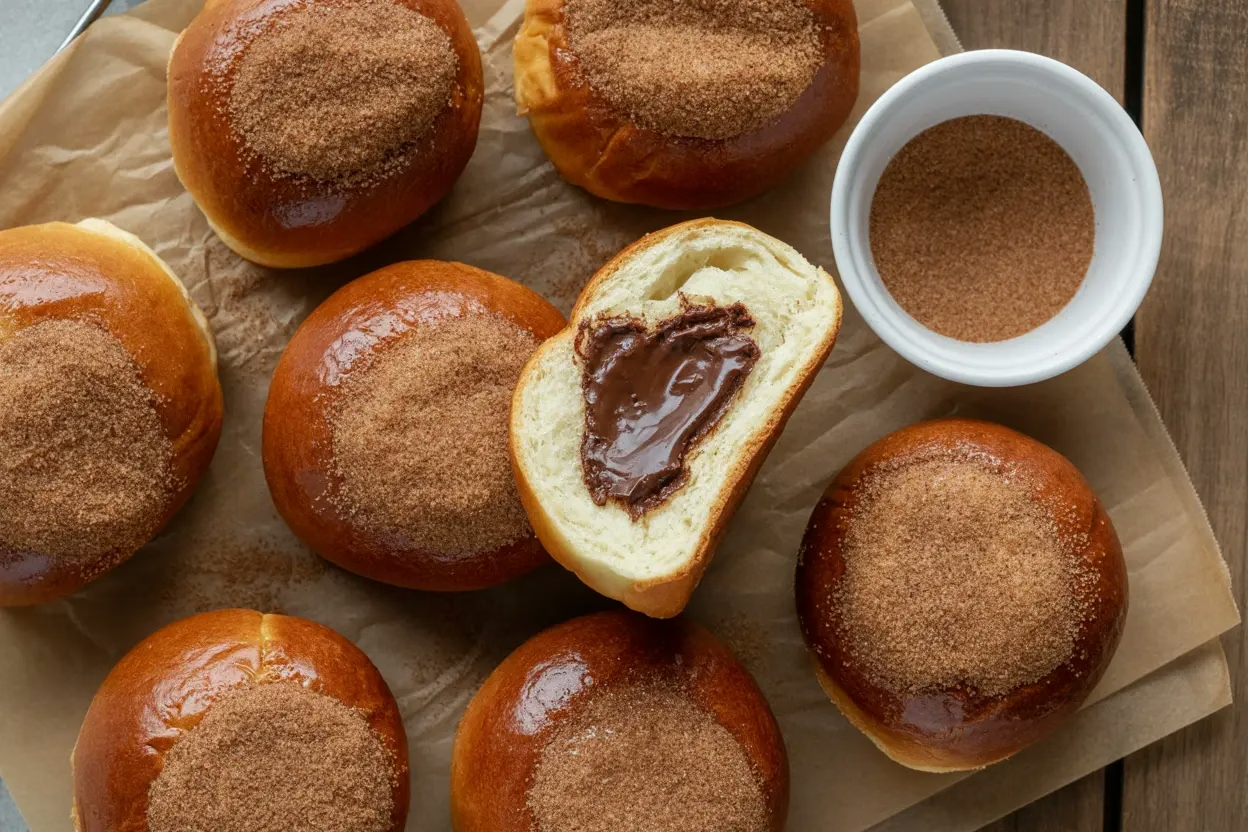
Best Fluffy Sourdough Brioche Donuts (Homemade & Irresistible!)
If you have ever bitten into a donut so light it practically dissolves on your tongue, you already know the magic we are chasing here. These Fluffy Sourdough Brioche Donuts take everything you love about a classic fried doughnut and layer in the subtle tang of a live sourdough starter, plus the buttery richness of a brioche dough. The result is something genuinely special: pillowy, golden, deeply flavored rings that taste like they came from a fancy bakery rather than your home kitchen.
What sets this sourdough donut recipe apart from anything you have tried before is the long, slow fermentation. Unlike a quick yeast doughnut recipe, the sourdough process builds flavor over time, creating those complex, slightly tangy undertones that balance perfectly against a sweet glaze or a dusting of cinnamon sugar. Whether you are a seasoned sourdough baker or you are trying your first sourdough doughnut recipe, this guide walks you through every step with confidence.
What Makes This Recipe Special
- Tangy, complex flavor: The active sourdough starter ferments the dough slowly, producing a depth of flavor no commercial yeast donut can match.
- Impossibly soft texture: Brioche donuts rely on a high butter and egg ratio, giving each bite a melt-in-your-mouth richness that is truly addictive.
- Versatile base for fillings: This dough is perfect for filled donuts, whether you pipe in pastry cream, jam, or Nutella. It holds its shape beautifully after frying.
- Natural leavening, no commercial yeast: If you are already maintaining a starter, this easy sourdough donut recipe is a brilliant way to put it to work beyond bread.
What You’ll Need
- Active sourdough starter: Should be bubbly and fed within 4 to 8 hours for best lift and flavor in your sourdough brioche donut dough.
- All-purpose flour: Provides just enough gluten structure to support the enriched dough without making it tough.
- Whole milk: Warmed to about 95°F to help the starter activate without shocking it.
- Eggs: Three large eggs add richness, color, and help create that signature brioche softness.
- Unsalted butter: Softened and added gradually, this is the soul of any great brioche donut.
- Granulated sugar: A modest amount to feed the starter and balance the natural tang.
- Fine sea salt: Enhances every other flavor in the dough without overpowering it.
- Neutral oil for frying: Vegetable or canola oil works perfectly, with a high smoke point for safe, even frying.
- Powdered sugar or cinnamon sugar: For finishing the donuts after frying while they are still warm.
Using the right tools makes a real difference when working with enriched sourdough doughs, from a sturdy stand mixer that can handle the butter incorporation to an accurate thermometer for safe frying temperatures.
Here’s the complete recipe:

Fluffy Sourdough Brioche Donuts
Equipment
- Stand mixer with dough hook
- Large heavy-bottomed pot or Dutch oven
- Clip-on candy or frying thermometer
- 3-inch and 1-inch round cutters
- Wire cooling rack
- Rolling pin
- Parchment-lined baking sheets
Ingredients
- 150 g active sourdough starter bubbly and fed within 4 to 8 hours
- 120 ml whole milk warmed to 95°F
- 50 g granulated sugar
- 3 large eggs room temperature
- 380 g all-purpose flour plus extra for dusting
- 1 tsp fine sea salt
- 115 g unsalted butter softened, cut into tablespoon-sized pieces
- 1 quart neutral oil vegetable or canola, for frying
- 100 g powdered sugar for vanilla glaze, mixed with 2 tablespoons milk and 1 tsp vanilla
- 100 g cinnamon sugar 3 parts sugar to 1 part cinnamon, for rolling
Instructions
- In the bowl of a stand mixer, combine the active sourdough starter, warm milk, sugar, and eggs. Whisk briefly by hand to combine. Add the flour and sea salt, then mix on low speed with the dough hook until a shaggy dough forms, about 3 minutes.
- Increase mixer speed to medium. With the mixer running, add the softened butter one tablespoon at a time, waiting until each piece is fully incorporated before adding the next. This process takes 10 to 12 minutes. The finished dough will be smooth, glossy, and slightly tacky.
- Transfer the dough to a lightly oiled bowl and cover tightly with plastic wrap. Let it ferment at room temperature for 4 to 6 hours until noticeably puffy, then refrigerate overnight for 8 to 12 hours to complete the slow cold fermentation.
- Remove the cold dough from the refrigerator and turn it out onto a lightly floured surface. Roll to about 3/4 inch thickness. Use a 3-inch round cutter to cut out donuts and a 1-inch cutter for the holes. Re-roll scraps once to cut additional donuts. Place on parchment-lined baking sheets.
- Cover the shaped donuts loosely with a clean kitchen towel or plastic wrap and let them proof at room temperature for 2 to 4 hours, until they look visibly puffy and jiggle gently when the tray is shaken. Do not rush this step.
- Pour enough neutral oil into a heavy-bottomed pot to reach a depth of at least 3 inches. Heat over medium heat until the oil reaches 350°F (175°C). Use a thermometer to monitor the temperature throughout frying.
- Working in batches of 2 to 3, gently lower the proofed donuts into the hot oil using a slotted spoon or spider. Fry for about 90 seconds per side, until deep golden brown. Transfer to a wire rack set over paper towels. Allow the oil to return to 350°F between batches.
- While the donuts are still warm, either toss them in cinnamon sugar or dip them face-down into the vanilla glaze (made by whisking together powdered sugar, milk, and vanilla extract until smooth). Set glazed donuts on the wire rack and allow the coating to set for about 5 minutes before serving.
Notes
Make It Your Own
- Lemon glazed: Whisk together powdered sugar, fresh lemon juice, and a pinch of zest for a bright, citrusy finish that cuts through the richness.
- Filled donuts with pastry cream: Pipe vanilla or chocolate pastry cream into the center of each donut using a piping bag for an indulgent, bakery-style treat.
- Spiced cross buns style: Add cardamom, cinnamon, and a touch of orange zest to the dough and pipe a simple flour paste cross on top before frying for a festive take reminiscent of cross buns.
- Chocolate glazed: Dip warm donuts in a ganache made from heavy cream and dark chocolate for a glossy, decadent coating.
How to Make Fluffy Sourdough Brioche Donuts
- Mix the dough: Combine the active starter, warm milk, sugar, and eggs in the bowl of a stand mixer fitted with a dough hook. Add flour and salt, then mix on low until a shaggy dough forms, about 3 minutes.
- Incorporate the butter: With the mixer running on medium, add softened butter one tablespoon at a time, waiting until each piece is fully incorporated before adding the next. This takes about 10 to 12 minutes and is essential for the right brioche texture.
- First rise: Transfer the dough to a lightly oiled bowl, cover tightly with plastic wrap, and let it rise at room temperature for 4 to 6 hours until noticeably puffy, then refrigerate overnight (8 to 12 hours) for the slow fermentation that defines a true sourdough brioche donut.
- Shape the donuts: Turn the cold dough onto a lightly floured surface and roll to about three-quarters of an inch thick. Use a 3-inch round cutter and a 1-inch cutter for the holes, placing cut donuts on parchment-lined trays.
- Second proof: Cover loosely and let the shaped donuts proof at room temperature for 2 to 4 hours until they look pillowy and jiggle gently when the tray is shaken.
- Fry the donuts: Heat neutral oil in a heavy pot to 350°F (175°C). Fry sourdough donuts fried in batches of 2 to 3, about 90 seconds per side, until deep golden brown. Do not crowd the pot.
- Finish and coat: Remove to a wire rack set over paper towels. While still warm, toss in cinnamon sugar or dip in glaze for the best coating adhesion.
Expert Tips
- Use a ripe, active starter: A starter that has doubled and is full of bubbles within the last 8 hours will give your sourdough donuts the best rise and flavor. A sluggish starter means dense donuts.
- Do not skip the cold retard: Refrigerating the dough overnight is not just about scheduling. It slows fermentation, develops flavor, and makes the dough much easier to roll and cut cleanly.
- Monitor your oil temperature closely: If the oil drops below 340°F the donuts absorb grease and turn heavy. If it climbs above 365°F the outside browns before the inside cooks through. A clip-on thermometer is your best friend here.
- Avoid over-flouring the surface: This dough is intentionally soft and slightly tacky. Adding too much flour while shaping will make the final texture tough rather than feathery light.
Chef’s Note: If you notice your donuts are browning too fast, do not raise your suspicion toward the dough. Check your oil temp first. A simple instant-read thermometer eliminates the most common frying mistake in every easy sourdough donut recipe.
Serving Suggestions
- Classic glazed: Dip in a thin vanilla glaze and set on a wire rack to let the coating set to a beautiful, crackly shell.
- Brunch spread: Arrange alongside fresh fruit, whipped cream, and a pot of good coffee for a show-stopping weekend brunch centerpiece.
- Mini filled donuts bar: Set out several fillings, such as raspberry jam, lemon curd, and Nutella, along with piping bags so guests can fill their own.
- Dusted and stacked: A simple mountain of cinnamon-sugar-dusted brioche donuts on a wooden board looks stunning and rustic for casual entertaining.
Make Ahead and Storage
- Room temperature: Store cooled donuts in an airtight container at room temperature for up to 2 days. They are best eaten the day they are fried.
- Freezing unfilled donuts: Arrange fully cooled, unglazed donuts in a single layer on a baking sheet and freeze until solid, then transfer to a zip-lock freezer bag. They keep well for up to 2 months.
- Reheating: Warm frozen donuts in a 300°F oven for 8 to 10 minutes. Add glaze or sugar after warming, not before, to keep the coating fresh.
- Storing filled donuts: Filled donuts should be refrigerated in a covered container and consumed within 24 hours, as cream fillings can weep into the dough over time.
Frequently Asked Questions
Can I make this sourdough doughnut recipe without a stand mixer?
Yes, but it requires patience. Incorporating softened butter by hand takes considerable kneading time, roughly 20 minutes of active work. The dough will feel very sticky at first but will smooth out as the gluten develops.
My donuts are dense. What went wrong?
The most common culprit is an under-active starter. Your starter must be bubbly and at its peak when you mix the dough. A flat, sluggish starter simply cannot provide enough lift for an enriched brioche dough.
Can I bake these instead of frying them?
Frying is what creates the characteristic crispy exterior and tender crumb that defines sourdough donuts fried in hot oil. You can bake them at 375°F for about 12 to 15 minutes, but the texture will be closer to a sweet roll than a true donut.
How is this different from a regular brioche donut without sourdough?
The sourdough starter replaces commercial yeast and adds a subtle tang, a more complex flavor profile, and improved keeping quality. The fermentation also breaks down some of the gluten and starches, making the final donut slightly easier to digest.
Final Thoughts
These fluffy sourdough brioche donuts are the kind of recipe that earns a permanent spot in your baking rotation. They are a little project, yes, but every step from feeding your starter to pulling those golden rings out of hot oil feels deeply satisfying. Share them warm with people you love, experiment with glazes and fillings, and do not be surprised when everyone asks you for the recipe.


